
Breaking the "Information Island": Dagong Technology's Tethered UAV Completed Nation's First Combat Deployment in 2017 Hunan Floods

Ningxiang, Hunan Province — On July 2, 2017, in the heart of a flood-ravaged disaster zone, Beijing Dagong Technology Co., Ltd. wrote the playbook for modern emergency communication. When historic deluges severed terrestrial networks and plunged Hunan Province into an "information island," Dagong Technology’s tethered UAV emergency communication system soared above the catastrophe—marking the first national combat deployment of a tethered drone for disaster relief. Within 10 minutes of liftoff, the aerial platform reconnected over 1,000 users and restored vital mobile signals across a 50-square-kilometer radius, sustaining an unbroken lifeline for seven days and seven nights.
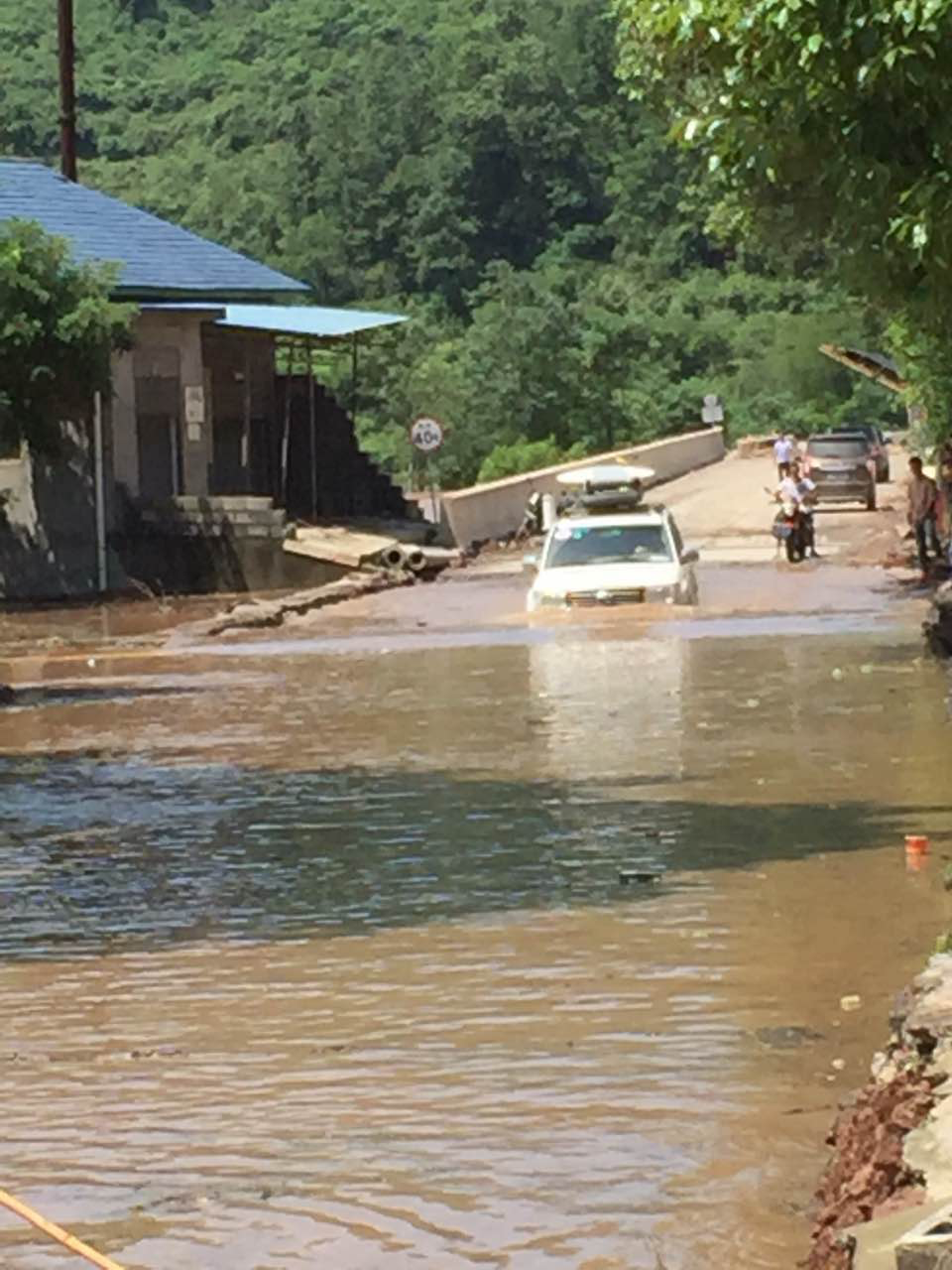
The 2017 Hunan floods represented a crisis of unprecedented scale. Relentless rainfall exceeding 287 millimeters triggered devastating mudslides and catastrophic infrastructure failure. In Ningxiang County, mobile communication base stations suffered crippling outages, and traditional emergency communication vehicles were paralyzed by washed-out roads. Faced with a total information blackout at the critical "Golden Hour" of disaster response, Hunan Mobile urgently deployed Dagong Technology’s system to the frontlines. At precisely 5:00 PM on July 2, the tethered UAV rose from the Liusha River Town Flood Control Command Center, instantaneously reversing the communication paralysis.
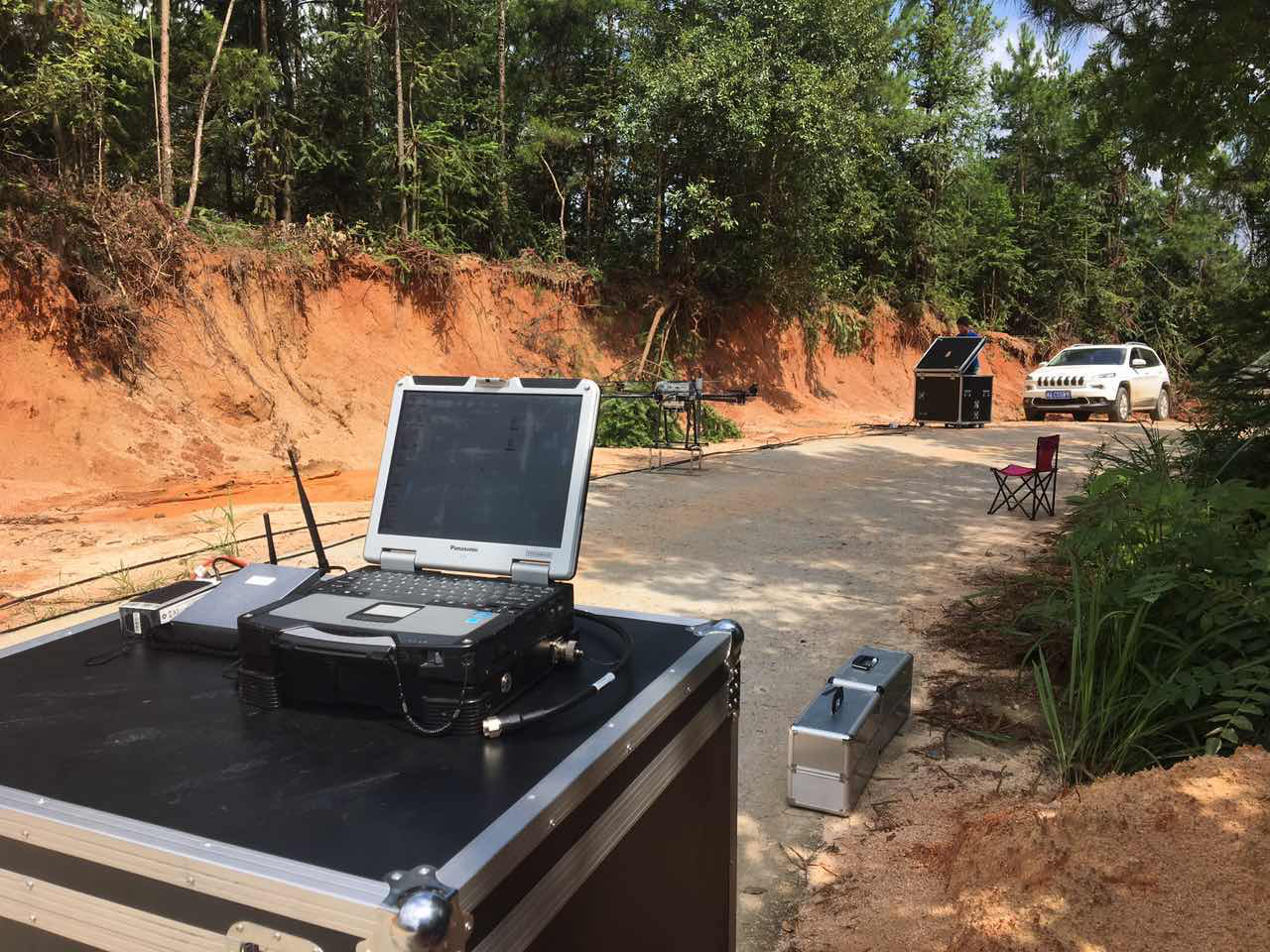
The success of this landmark rescue was driven by the tethered UAV’s revolutionary architectural superiority. Conventional drones are fatally constrained by 30-minute battery lives; Dagong Technology’s system bypasses this via a specialized photoelectric composite tether cable—a veritable "umbilical cord linking sky and earth"—delivering continuous ground power and enabling 24-hour uninterrupted hovering.
Throughout the grueling seven-day operation, the system demonstrated five decisive tactical advantages:
· Rapid Response: Achieved a 100-meter operational altitude within 5 minutes to establish immediate coverage.
· Expansive Coverage: Blanketed 50 square kilometers—over 10 times the capacity of large traditional emergency communication vehicles.
· Heavy Payload Capacity: Successfully hoisted 35kg of communication equipment to a 300-meter altitude, ensuring robust and stable signal penetration.
· Enduring Safeguard: Delivered continuous, 24/7 signal stability for government dispatch and civilian outreach.
· High Extensibility: Adapted to diverse emergency payloads, seamlessly integrating with broader rescue coordination.
The triumph in the 2017 Hunan floods served as the catalyst for Dagong Technology’s relentless technological iteration. Evolving from the 100-meter altitude and 15kg payload capacities of the 2017 models, the company’s current-generation tethered UAVs now command a 500-meter ceiling and a 50kg payload—firmly establishing their technical hegemony in the sector. Engineered to rigorous military standards, the platforms feature foldable, man-packable designs for single-soldier deployment, and have been batch-equipped by armed forces for tactical reconnaissance, armed police operations, and fire rescue.
Beyond the immediate battlefield, this inaugural 2017 deployment laid the cornerstone for the booming "low-altitude economy." Recognized as "airborne new infrastructure," Dagong Technology’s tethered UAVs are central to national strategic clusters like the Zhongguancun Yanqing Park Drone Innovation Base—a hub projected to scale the regional low-altitude economy to 5 billion RMB by 2026.
From the historic 2017 Hunan flood response to the 2023 Beijing-Tianjin-Hebei mega-flood rescues, Beijing Dagong Technology has remained the vanguard of aerial emergency infrastructure. By fusing uninterrupted endurance with AI-driven environmental adaptability, Dagong Technology’s tethered UAV systems continue to safeguard the critical "Golden Hour," proving that a single tethered cable can hold the line between life and death.