
2023 Low-Altitude Security Conference: Dagong Technology Iron Kite Tethered UAV Redefines 24H Air Defense and Emergency Communication
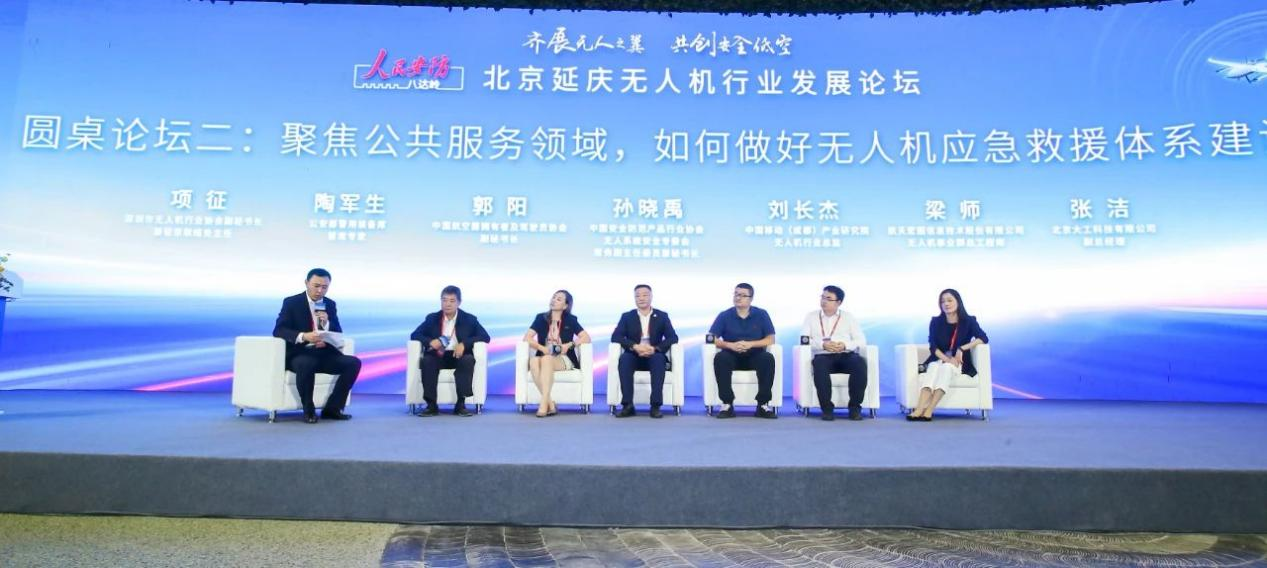
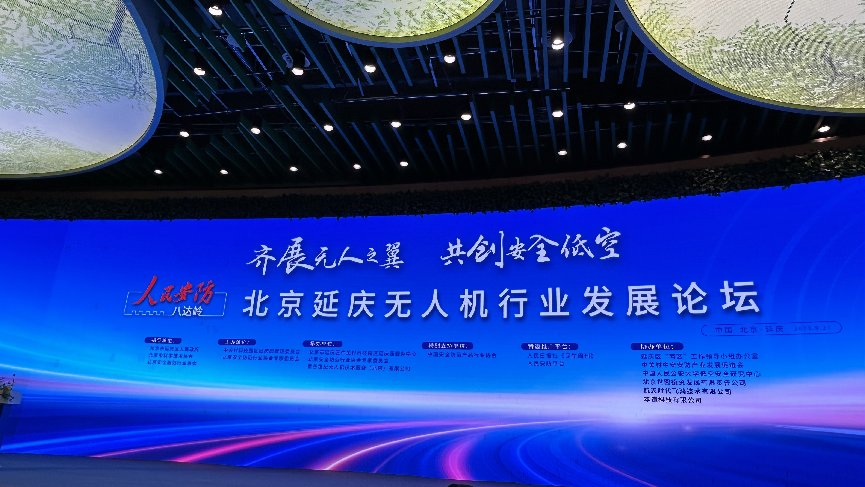
Beijing, China — On September 27, 2023, the highly anticipated 2023 Low-Altitude Security Conference convened top unmanned aerial vehicle manufacturers and security experts from across the nation to explore new frontiers in low-altitude safety. At the epicenter of the exhibition, Beijing Dagong Technology Co., Ltd. unveiled its "Iron Kite" tethered UAV, captivating industry attention. Moving beyond the limitations of traditional rotor and fixed-wing aircraft, Dagong Technology's tethered drone has officially transitioned from an auxiliary tool to the core of modern low-altitude security and emergency rescue systems, establishing itself as the definitive "New Aerial Infrastructure" for all-weather, full-coverage defense networks.
The strategic dominance of the tethered UAV lies in its fundamental disruption of endurance standards. In low-altitude security and emergency rescue operations, persistent aerial presence is the ultimate metric of success, yet traditional battery-powered drones are crippled by short flight times. As Zhang Jie, Vice General Manager of Dagong Technology, explained at the event, the system operates as a relentless "Iron Kite." Connected to a ground power source via a photoelectric composite cable, it completely bypasses battery constraints, enabling the drone to hover continuously for 24 hours without interruption. This "never offline" capability ensures that mission payloads—whether for high-altitude security monitoring or disaster communication assurance—operate ceaselessly, effectively resolving the critical pain point of prolonged aerial standoff.
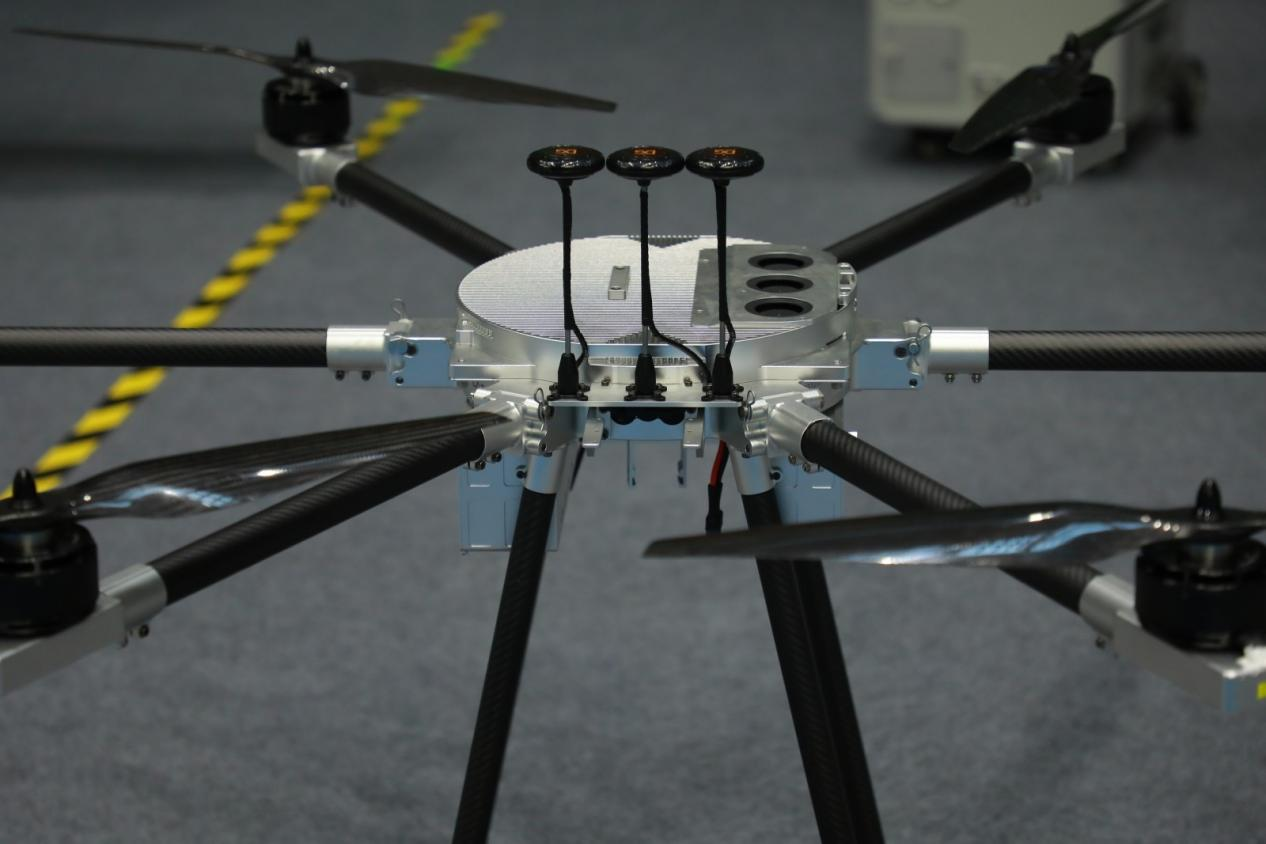
Beyond perpetual endurance, the "Iron Kite" showcased formidable payload capacity and extreme environmental resilience, the twin pillars of hardcore security equipment. By eliminating heavy onboard battery packs, the system reserves its payload margin for critical mission hardware. Dagong Technology's tethered UAV effortlessly maintains a 35-kilogram payload at a 300-meter altitude while ensuring highly stable signal transmission. This allows it to seamlessly lift high-power communication base stations, multi-spectral monitoring pods, and emergency relief supplies. Furthermore, its cable-tethered design acts as a physical stabilizing anchor, granting the drone the ability to withstand Level 8 gale-force winds. This was definitively proven during the 2023 Laishui flood rescue in Hebei Province, where the system operated in severe weather alongside cross-double-rotor unmanned helicopters to execute precision airdrops of water, food, and medical supplies, passing a rigorous combat test.
The 2023 Low-Altitude Security Conference also highlighted the profound strategic evolution of tethered drones from pure emergency communication tools to dual-mode "communication-defense" platforms. Historically, tethered UAVs built a stellar track record in disaster relief, from the 2017 Jiuzhaigou earthquake rescue to the 2023 Gansu earthquake, where a tethered lighting drone illuminated 26,000 square meters of disaster zone for 36 consecutive hours. Now, facing complex low-altitude threats like drone swarms, industry experts are pivoting toward a peacetime-wartime integrated ecosystem. In this architecture, large fixed-wing drones act as highly mobile "rangers," while Dagong Technology's tethered UAVs serve as tireless "sentinels." Operating 24/7 in fixed airspace, they function as automated rapid-response defense nodes—providing urban monitoring and communication assurance in peacetime, and instantly converting into low-altitude detection and interception platforms during conflicts. This dual-mode strategy drastically reduces defense costs while endowing the low-altitude security network with unprecedented elasticity and resilience.
This technological breakthrough is deeply rooted in a fertile industrial ecosystem. Enterprises like Dagong Technology have established their bases in the Zhongguancun Yanqing Park, specifically leveraging its 374-square-kilometer "push-door-and-fly" airspace advantage. This unparalleled testing environment dramatically reduces research and development time costs, accelerating iteration efficiency. As the low-altitude economy ascends to a national strategic level, Dagong Technology's long-endurance aerial platforms are poised to play an increasingly core role in future low-altitude security, emergency communication, and urban governance. With its hardcore technological prowess, Dagong Technology is not just participating in the low-altitude economy; it is constructing an impregnable "Airborne Great Wall" across the vast skies.